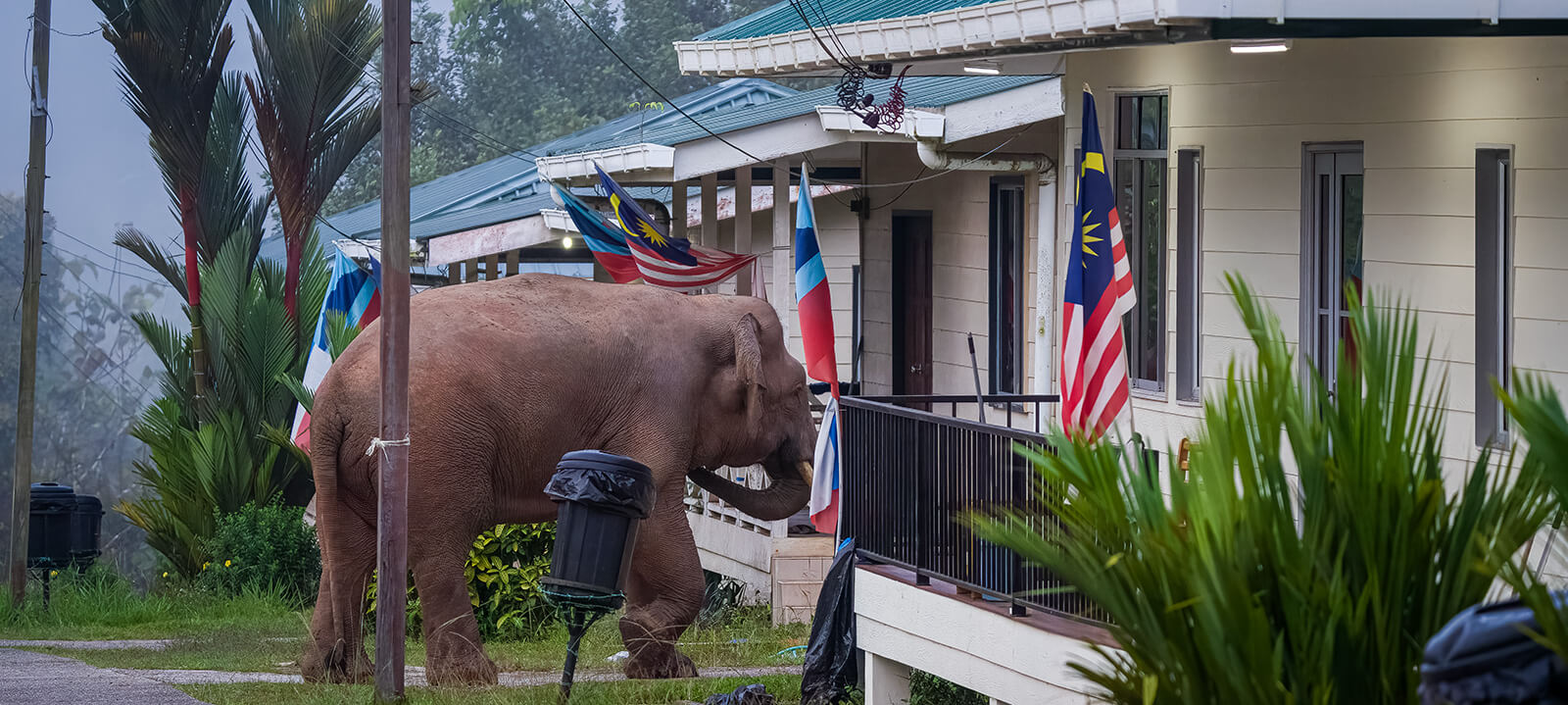
Sustainable Logging and Conservation in Deramakot Forest Reserve
Sustainable Logging: How It Works in Deramakot
Deramakot practices selective, controlled harvesting rather than clear-cutting. Key principles include:
1. Reduced-Impact Logging (RIL)
Only selected mature trees are harvested.
Harvest cycles are long (typically 25–30 years or more), allowing forest regeneration.
Directional felling minimises collateral damage to surrounding trees.
Planned skid trails and extraction routes reduce soil disturbance and erosion.
This method preserves canopy structure, maintains habitat connectivity, and protects water systems.
2. Forest Regeneration and Monitoring
After logging, the forest is allowed to regenerate naturally. Because harvesting is selective, seed trees remain, promoting rapid recovery. Continuous monitoring ensures that extraction volumes remain within sustainable yield limits.
Deramakot was among the first tropical forests in the region to receive international certification for sustainable forest management, demonstrating compliance with strict environmental and social standards.
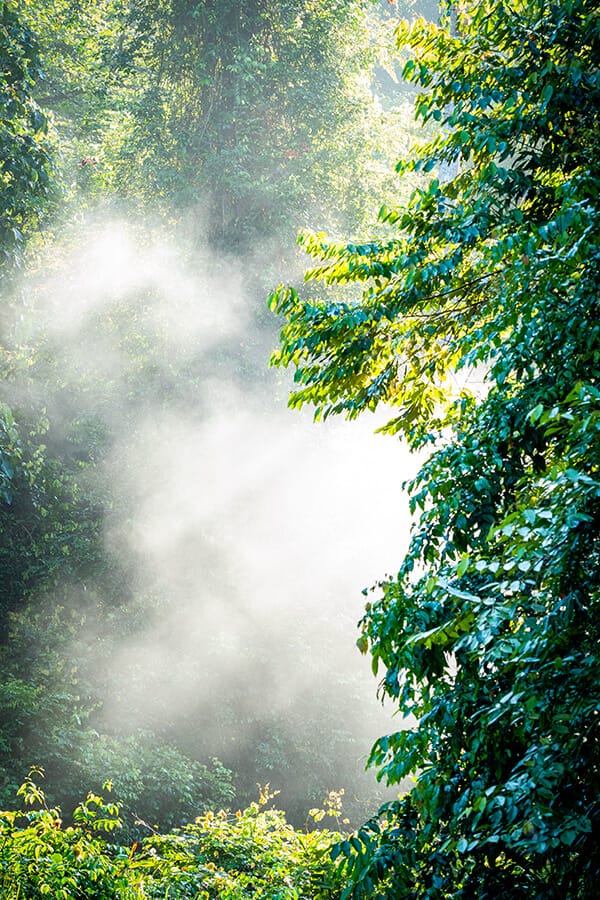
Conservation Outcomes: A Forest That Still Holds Wildlife
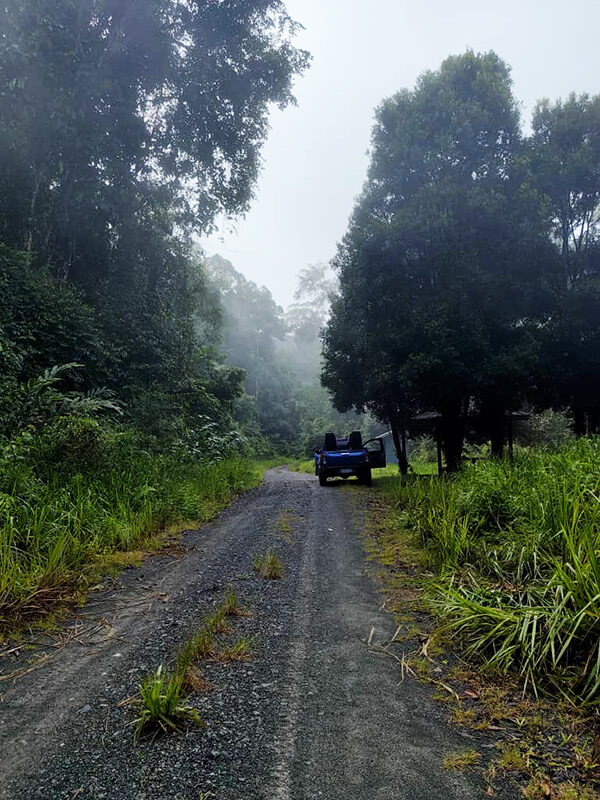
The terrain inside Deramakot is rugged and deeply forested. A dedicated 4WD safari is not just convenient, it is essential. These vehicles are specifically designed for off-road wildlife exploration and allow safe travel through dense rainforest tracks while providing unobstructed wildlife viewing opportunities.
With expert guides accompanying each drive, travellers gain invaluable insight into animal behaviour, forest ecology, and conservation practices. The experience transforms from simple sightseeing into an educational journey through one of Borneo’s most intact rainforest ecosystems.
Why Secondary Forest Can Be Ecologically Rich
A common misconception is that only primary rainforest supports high biodiversity. In reality, secondary forests under controlled management can be highly productive ecosystems.
After selective logging:
Increased light reaches the forest floor.
Pioneer species regenerate rapidly.
Understory vegetation thickens.
Grasses, shrubs, and young saplings flourish.
This regrowth phase creates a mosaic habitat structure, which benefits many wildlife species.
How Controlled Logging Enhances Wildlife Habitat
The ecological dynamics following selective logging often produce:
1. Increased Ground-Level Vegetation
More sunlight stimulates the growth of small grasses, herbs, and shrubs. These plants provide food for:
Deer species
Bearded pigs
Small mammals
These prey species, in turn, support predators such as clouded leopards and other wild cats.
2. Improved Foraging Grounds
Young regenerating forests can offer higher nutrient leaf growth compared to old-growth canopy-dominated forests, benefiting herbivores and some primates.
3. Enhanced Wildlife Viewing
From a safari perspective, secondary forests often improve visibility. Slightly more open understory and roadside regrowth attract grazing mammals and create clearer sightlines along forest tracks.
This is one reason Deramakot is renowned for sightings of elusive carnivores: the structured mosaic of regenerating forest combined with an extensive road network allows effective night-time wildlife monitoring.
A Balanced Model: Production Forest Meets Biodiversity
Deramakot demonstrates that conservation and timber production are not mutually exclusive when:
Logging intensity is controlled
Long rotation cycles are enforced
Anti-poaching is strict
Access is regulated
Tourism adds conservation value
Instead of degraded wasteland, Deramakot stands as a functional, biodiverse rainforest ecosystem where wildlife coexists with carefully managed forestry operations.